
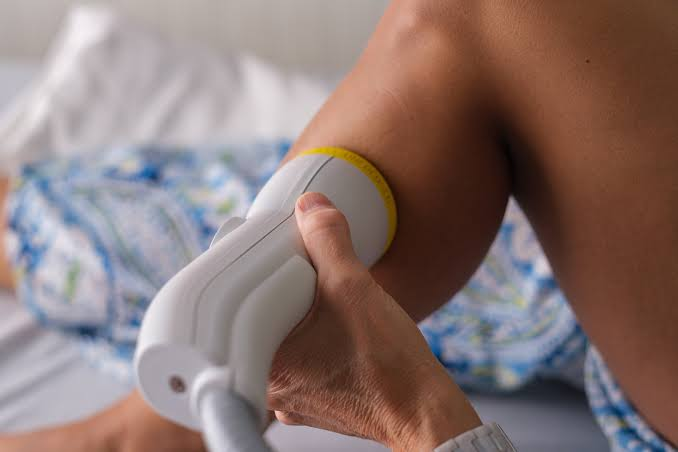
Pelvic floor physical therapy is a specialized form of care that addresses muscles and related structures involved in bladder control, bowel function, sexual health, core support, and movement. People may seek treatment for pelvic pain, incontinence, pregnancy related concerns, or problems that affect everyday comfort and quality of life.
Pelvic health problems can affect people at different ages and stages of life. An evidence based physical therapy program focuses on the individual’s symptoms, movement, strength, coordination, and personal goals instead of using the same treatment approach for every patient.
How Pelvic Floor Physical Therapy Can Help
Pelvic floor rehabilitation is not limited to women’s health or pregnancy. Men experiencing pelvic health concerns may also benefit from an assessment, including those researching care related to Erectile dysfunction Mount Pleasant SC when pelvic floor muscle function may be relevant to their symptoms.
A physical therapist can evaluate factors such as muscle coordination, strength, tension, breathing, posture, and movement patterns when appropriate. Treatment depends on the findings of the assessment and may include exercises, education, movement training, relaxation techniques, and other individualized approaches.
Understanding Pelvic Pain and Muscle Function
Pelvic pain can have many possible causes and may be felt in the pelvis, lower abdomen, hips, groin, or surrounding areas. For some people, symptoms become more noticeable during sitting, exercise, urination, bowel movements, or sexual activity.
Pelvic floor muscles can sometimes become overly tight, weak, poorly coordinated, or difficult to relax. Rebecca’s Physical Therapy focuses on specialized physical therapy services for pelvic health concerns, using individualized care based on the patient’s symptoms and functional needs.
Physical Therapy for Urinary Incontinence
Urinary incontinence can include leakage during coughing, sneezing, laughing, running, lifting, or other activities. Some people may also experience a strong or sudden urge to urinate that makes reaching a bathroom difficult.
Treatment should address the specific type of problem rather than assuming that every patient simply needs more strengthening. A pelvic floor physical therapist may assess muscle function, coordination, breathing, daily habits, and movement to develop an appropriate rehabilitation program.
Pregnancy and Pelvic Floor Health
Pregnancy creates significant changes throughout the body as posture, abdominal pressure, body weight, and movement patterns adapt. Some people develop pelvic discomfort, back pain, bladder symptoms, or difficulty performing activities that were comfortable before pregnancy.
Physical therapy can provide education and exercises based on individual needs during this period. People looking for specialized pelvic health services in Mount Pleasant can visit rebeccaspt.com to learn more about available physical therapy care for pregnancy related and other pelvic health concerns.
Postpartum Physical Therapy and Recovery
Recovery after childbirth differs for every person. Pregnancy and delivery can affect the pelvic floor, abdominal muscles, core function, and overall movement, while caring for a baby introduces additional physical demands such as lifting, carrying, feeding, and interrupted sleep.
A postpartum assessment can help identify concerns related to strength, coordination, pain, movement, or bladder function. Physical therapy may then focus on gradual recovery and returning to daily activities or exercise at a pace suited to the patient’s condition and goals.
Pelvic Floor Therapy for Men
Men can experience pelvic pain, urinary symptoms, bowel concerns, and other pelvic floor problems. Some may develop symptoms after surgery or alongside other medical conditions, while others may experience pelvic muscle tension or coordination problems without an obvious cause.
Rebecca’s Physical Therapy provides specialized care focused on pelvic health and related functional concerns. When appropriate, physical therapy can form one part of a broader care plan alongside evaluation or treatment from physicians and other healthcare professionals.
What to Expect During Pelvic Health Therapy
An initial physical therapy visit generally begins with a discussion of symptoms, medical history, daily activities, and treatment goals. Because pelvic health concerns can be personal, clear communication helps the therapist understand how the problem affects the patient’s comfort and everyday life.
The physical examination depends on the patient’s needs, symptoms, and informed consent. A therapist may assess posture, movement, breathing, strength, mobility, and pelvic floor function when appropriate. The findings help guide an individualized treatment plan rather than relying on a standard exercise program.
Why Evidence Based Physical Therapy Matters
Evidence based care combines current clinical research with professional expertise and the individual patient’s needs and preferences. This approach is particularly useful in pelvic rehabilitation because similar symptoms can have different underlying contributing factors.
Exercises are only one part of physical therapy. Depending on the assessment, treatment may include education, strengthening, relaxation, mobility work, breathing techniques, movement changes, and strategies for daily activities. Progress can also be reviewed over time so the plan can be adjusted when needed.
Choosing Pelvic Floor Physical Therapy in Mount Pleasant
When choosing a provider, patients can consider specialized pelvic health training, communication, treatment approach, and experience with their particular concerns. It is also important to feel comfortable discussing symptoms and asking questions about assessments, treatment options, and expected goals.
Pelvic floor physical therapy can provide individualized support for people dealing with pelvic pain, incontinence, pregnancy related changes, postpartum recovery, and other pelvic health concerns. Rebecca’s Physical Therapy offers specialized, evidence based physical therapy services for patients seeking pelvic health care in Mount Pleasant, South Carolina.