
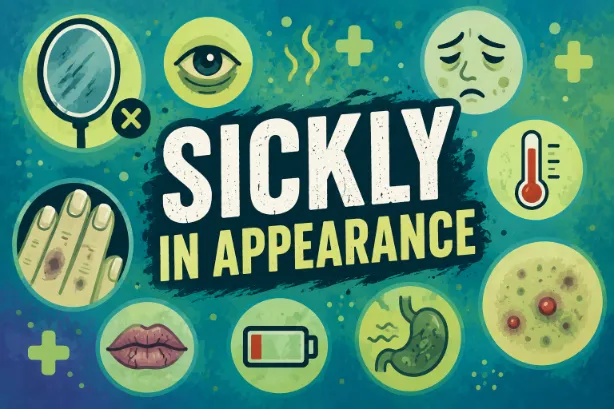
A sickly appearance can affect confidence, social interaction, workplace performance, and daily comfort. Pale skin, dark circles, weak posture, sudden weight changes, dry hair, tired eyes, or low energy may create a worn-out look that others notice immediately. Some people face temporary physical exhaustion, while others deal with deeper medical or lifestyle-related problems.
Many physical signs develop slowly. Poor sleep habits, stress, unhealthy food choices, dehydration, emotional strain, vitamin shortages, and medical conditions may all shape facial appearance and body condition. Early attention helps improve overall wellness and physical presentation.
Common Signs of a Sickly Appearance
Several visible changes may point toward declining physical condition. One symptom alone may not signal a problem, yet multiple symptoms together deserve attention.
| Physical Sign | Possible Reason |
|---|---|
| Pale skin | Low iron, fatigue, poor circulation |
| Dark eye circles | Lack of sleep, stress |
| Dry lips | Dehydration |
| Thin hair | Nutritional imbalance |
| Weak posture | Muscle fatigue |
| Sunken eyes | Illness or exhaustion |
| Sudden weight loss | Poor nutrition or disease |
| Yellowish skin tone | Liver-related problems |
| Constant tired look | Sleep deprivation |
Body language also shapes appearance. Slow movement, weak eye contact, and low facial expression can make a person appear physically unwell even during minor fatigue.
Poor Sleep and Facial Appearance
Sleep affects skin repair, eye brightness, mood, and energy. A person sleeping only a few hours each night may develop:
- Puffy eyes
- Dark shadows beneath the eyes
- Dry skin
- Reduced skin elasticity
- Irritated facial expression
- Low energy posture
Adults generally benefit from seven to nine hours of quality sleep each night. Consistent bedtime routines support healthier skin tone and stronger energy levels.
Nutritional Problems That Affect Physical Appearance
The body requires vitamins, minerals, healthy fats, and protein for healthy skin, hair, muscles, and energy. Poor eating habits can rapidly affect outward appearance.
Low iron levels may produce:
- Pale skin
- Weakness
- Dizziness
- Brittle nails
Vitamin B12 shortage may lead to:
- Fatigue
- Memory problems
- Weak muscles
- Light skin discoloration
Low protein intake may create:
- Hair thinning
- Muscle weakness
- Slow healing
- Dry skin texture
Fresh vegetables, fruits, lean proteins, whole grains, nuts, seeds, and adequate water intake support stronger physical condition.
Stress and Emotional Exhaustion
Mental strain deeply affects physical appearance. Emotional burnout may reduce appetite, interrupt sleep, and weaken energy.
People facing high stress may experience:
- Facial tension
- Premature wrinkles
- Hair shedding
- Weight fluctuation
- Dull skin
- Constant exhaustion
Stress hormones also affect immune response. Frequent illness may create an unhealthy appearance over time.
Helpful stress-reduction habits:
- Daily walking
- Light exercise
- Deep breathing
- Meditation
- Social support
- Reduced screen time before sleep
Dehydration and Skin Health
Water supports circulation, digestion, temperature control, and skin condition. Dehydration can rapidly affect facial appearance.
Common symptoms:
- Cracked lips
- Dry skin
- Dull complexion
- Headaches
- Weakness
- Dry eyes
A simple hydration routine can improve energy and appearance within days.
Medical Conditions Linked With a Sickly Appearance
Some physical changes result from medical problems rather than lifestyle habits. Medical evaluation becomes important after persistent symptoms.
Conditions that may affect outward appearance:
- Anemia
- Thyroid disorders
- Depression
- Chronic infections
- Diabetes
- Liver disease
- Kidney disease
- Eating disorders
Medical professionals may request blood tests, nutritional assessments, or imaging studies to identify the source.
Smoking and Alcohol Effects
Smoking reduces oxygen flow to the skin. Alcohol dehydrates the body and disturbs sleep quality. Together, both habits may rapidly age facial appearance.
Smoking-related appearance changes:
- Yellow teeth
- Wrinkled skin
- Dry lips
- Dull complexion
Heavy alcohol use may cause:
- Puffy face
- Redness
- Bloodshot eyes
- Fatigue
- Skin dryness
Reducing these habits usually improves physical appearance gradually.
Skin Problems That Create an Unhealthy Look
Skin condition strongly affects overall appearance. Acne, eczema, psoriasis, severe dryness, or untreated infections may make someone appear physically unwell.
Healthy skin habits:
- Gentle cleansing
- Daily hydration
- Sun protection
- Nutritious meals
- Clean pillowcases
- Limited sugary foods
Skin specialists can guide treatment for persistent conditions.
Body Weight and Weak Physical Condition
Extreme weight loss or severe obesity can create a physically unhealthy appearance. Rapid body changes may signal deeper health concerns.
Possible causes behind sudden weight loss:
- Anxiety
- Digestive problems
- Poor diet
- Chronic illness
- Depression
Muscle weakness may also create a fragile appearance. Regular movement helps improve posture, circulation, and strength.
Emotional Effects of Looking Sickly
Physical appearance affects social confidence. Many people facing unhealthy appearance struggle with:
- Low self-esteem
- Social withdrawal
- Anxiety
- Embarrassment
- Reduced motivation
Supportive friendships, counseling, proper medical care, and self-care habits can improve emotional wellness alongside physical health.
Daily Habits That Improve Appearance Naturally
Small lifestyle changes can create visible improvement over several weeks.
Healthy Habits Checklist
- Sleep at consistent hours
- Drink enough water daily
- Eat balanced meals
- Exercise regularly
- Reduce processed sugar
- Spend time outdoors
- Limit smoking
- Reduce alcohol intake
- Manage stress carefully
- Visit doctors for persistent symptoms
Consistency creates stronger results than short bursts of extreme routines.
Foods That Support Healthy Appearance
Certain foods support healthier skin, stronger hair, and improved energy.
| Food Type | Benefits |
|---|---|
| Leafy greens | Iron and antioxidants |
| Eggs | Protein and vitamin B12 |
| Salmon | Healthy fats |
| Berries | Skin-support nutrients |
| Nuts | Healthy oils |
| Yogurt | Digestive support |
| Beans | Protein and iron |
| Citrus fruits | Vitamin C |
Balanced eating habits support better circulation and healthier skin tone.
Exercise and Physical Energy
Physical activity improves blood circulation and muscle tone. Even moderate movement can brighten appearance and improve posture.
Simple activity ideas:
- Walking
- Stretching
- Cycling
- Swimming
- Yoga
- Light strength training
Exercise also improves sleep quality and emotional wellness.
Hygiene and Grooming Habits
Personal care routines strongly affect outward appearance. Good grooming habits support a cleaner and healthier image.
Helpful grooming habits:
- Clean hair regularly
- Maintain oral hygiene
- Wear clean clothing
- Moisturize dry skin
- Trim nails
- Maintain healthy posture
Small improvements in self-care can create noticeable changes.
Social Reactions to Sickly Appearance
People may unintentionally judge health based on appearance. Tired facial expression, weak posture, or pale skin may influence social interaction, workplace impressions, and dating confidence.
Physical appearance never defines personal value, though healthy habits can improve both wellness and social comfort.
Childhood and Teenage Appearance Changes
Teenagers and children may temporarily appear unhealthy during growth phases, academic stress, or hormonal changes.
Parents should watch for:
- Constant fatigue
- Poor appetite
- Frequent illness
- Rapid weight changes
- Mood swings
- Pale skin
Pediatric evaluation helps identify nutritional or medical problems early.
Aging and Physical Appearance
Aging naturally changes skin texture, energy levels, and body structure. Still, healthy habits support healthier aging.
Helpful anti-aging habits:
- Proper sleep
- Daily hydration
- Sun protection
- Physical activity
- Balanced diet
- Stress control
Healthy aging focuses more on wellness than perfection.
Warning Signs That Need Medical Attention
Medical support becomes necessary after severe or persistent symptoms.
Seek medical care for:
- Sudden major weight loss
- Persistent exhaustion
- Yellow skin
- Chest pain
- Fainting
- Severe weakness
- Blood in stool
- Breathing problems
Early diagnosis improves recovery chances.
A sickly appearance may develop from poor sleep, stress, nutritional problems, dehydration, illness, or emotional exhaustion. Physical signs usually act as warning signals rather than cosmetic problems alone. Better sleep, balanced meals, regular hydration, stress management, and medical support can greatly improve physical condition and personal confidence.
Healthy appearance grows from daily habits, steady care, and attention to both mental and physical wellness.