
The phrase “Maple Dog Waiting Ritual” has started appearing across pet forums, social media pages, and dog-loving communities. Many pet owners use the phrase to describe a calm routine in which a dog waits patiently near a door, window, porch, or favorite resting area for a family member. The routine may look simple, yet many dog owners view it as emotional and comforting.
Dogs thrive on routine. A repeated pattern gives them structure, comfort, and emotional balance. The Maple Dog Waiting Ritual fits perfectly into that behavior pattern. Some dogs sit quietly every evening near the entrance. Others wait beside a fence or front gate after hearing a familiar sound such as a car engine or footsteps.
Pet lovers admire this behavior because it shows loyalty, patience, and emotional attachment without loud reactions or hyper activity.
Why Dogs Create Waiting Habits
Dogs rely heavily on routine and memory. They learn daily schedules through repeated actions. Feeding time, walks, bedtime, and family arrivals become part of their mental schedule.
A waiting ritual may start after repeated experiences such as:
- A family member arriving home at the same hour
- Daily walks after sunset
- School pickup routines
- Evening treats after dinner
- Morning greetings near the kitchen
Dogs connect these actions with comfort and happiness. Over time, the waiting spot becomes part of their routine.
Common Signs Seen During the Maple Dog Waiting Ritual
Many dogs display similar actions during this habit. Pet owners notice patterns that appear almost identical across different breeds.
| Behavior | Meaning |
|---|---|
| Sitting near the door | Anticipation |
| Looking through windows | Searching for familiar movement |
| Tail wagging after sounds | Excitement |
| Resting beside shoes or bags | Emotional attachment |
| Waiting at the same hour daily | Internal schedule awareness |
Some dogs remain extremely calm during the ritual. Others show excitement through pacing, barking softly, or circling near entrances.
Emotional Connection Between Dogs and Owners
Dogs form emotional attachments through shared routines. Repeated positive experiences create trust and affection. The Maple Dog Waiting Ritual demonstrates how deeply dogs connect with people around them.
A dog may wait for:
- A parent returning from work
- A child returning from school
- A grandparent arriving for walks
- A sibling who spends extra playtime with them
This waiting pattern creates emotional warmth inside the household. Family members frequently describe the routine as comforting after stressful days.
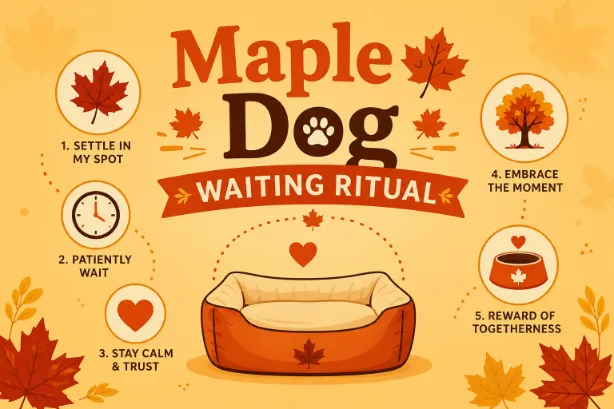
Why Social Media Loves the Maple Dog Waiting Ritual
Pet videos featuring patient dogs sitting near doors or windows receive massive engagement online. Viewers enjoy genuine emotional moments rather than staged reactions.
Several reasons explain the popularity:
- The behavior feels natural
- Dogs appear loyal and calm
- Families relate to the routine
- The scenes create emotional warmth
- Many people remember childhood pets through these clips
Short videos showing dogs waiting peacefully beside windows during rainstorms or sunsets have become especially popular.
Dog Breeds Frequently Linked With Waiting Rituals
Almost every breed can develop this habit. Still, some breeds display stronger attachment routines due to temperament and personality.
Breeds Frequently Seen With Waiting Behaviors
- Golden Retriever
- Labrador Retriever
- German Shepherd
- Border Collie
- Shih Tzu
- Beagle
These breeds usually develop strong attachment patterns with family members and daily schedules.
How Dogs Learn Daily Schedules
Dogs rely heavily on sensory awareness. They notice:
- Sound patterns
- Light changes
- Footstep timing
- Car noises
- Smells
- Household movement
A dog may memorize the sound of a garage door or recognize a specific engine noise from several houses away.
Research into canine behavior shows dogs develop advanced routine recognition through repeated exposure. Their memory works strongly through association.
Waiting Rituals and Separation Feelings
Some pet owners confuse waiting rituals with separation anxiety. The two behaviors differ greatly.
| Healthy Waiting Ritual | Separation Anxiety |
|---|---|
| Calm posture | Panic behavior |
| Relaxed breathing | Heavy panting |
| Quiet waiting | Excessive barking |
| Temporary anticipation | Destructive behavior |
| Peaceful sleeping afterward | Stress after owner leaves |
Healthy rituals create comfort. Anxiety-based behavior creates distress. Calm waiting near a window for a family member normally falls into positive routine behavior.
How Owners Encourage Positive Waiting Habits
Many dog owners accidentally strengthen these rituals through positive reactions.
Examples:
- Greeting the dog warmly after arrival
- Giving treats during reunion moments
- Petting the dog immediately after waiting
- Speaking affectionately near the waiting area
Dogs repeat actions that create positive emotional responses.
Best Places Dogs Choose for Waiting
Dogs prefer spots that provide visibility, comfort, or scent familiarity.
Popular waiting locations:
- Front windows
- Porch entrances
- Hallways near doors
- Bedroom entrances
- Garage doors
- Stair landings
Some dogs select places near shoes, jackets, or personal belongings because familiar scents provide comfort.
Why the Ritual Feels Emotional to Humans
Humans naturally respond to loyalty and routine-based affection. Watching a dog wait patiently after several hours creates emotional meaning for many families.
The ritual symbolizes:
- Loyalty
- Trust
- Emotional security
- Companionship
- Routine family connection
Pet owners frequently describe these moments as the best part of their day.
Maple Dog Waiting Ritual in Modern Pet Culture
Modern pet culture places heavy focus on emotional companionship. Dogs are now treated as close family members in many households.
Because of this shift, emotional behaviors receive more attention online and offline. Waiting rituals fit perfectly into that cultural trend.
Pet photography pages, dog-themed blogs, and short-form video creators frequently feature calm waiting scenes because viewers relate strongly to them.
Signs That a Waiting Ritual Remains Healthy
A healthy routine should remain calm and balanced.
Healthy Signs
- Dog relaxes during waiting
- Appetite remains normal
- No destructive behavior
- Tail wagging appears natural
- Dog sleeps comfortably afterward
Warning Signs
- Continuous barking
- Scratching doors aggressively
- Refusing food
- Panic reactions
- Extreme pacing
Veterinarians may help assess behavior that appears stress-related.
How Routine Improves a Dog’s Emotional State
Dogs feel safer through predictable schedules. Routine lowers confusion and creates emotional balance.
Helpful daily patterns:
- Fixed feeding times
- Daily walks
- Predictable bedtime
- Scheduled play sessions
- Calm greetings during arrivals
A stable routine may reduce nervous behavior inside active households.
The Science Behind Dog Loyalty
Scientists studying canine behavior have examined attachment patterns for years. Dogs produce emotional responses connected with companionship and trust.
Some behavioral experts compare dog-human attachment patterns with parent-child emotional routines. Repeated positive interactions strengthen emotional familiarity over time.
This explains why many dogs create strong arrival and waiting routines around favorite people.
Why Children Love This Ritual
Children develop strong emotional memories through pets. Watching a family dog wait near the door after school creates comforting childhood experiences.
Many adults later remember:
- Dogs greeting them after school
- Waiting together during storms
- Evening porch routines
- Quiet moments beside windows
These memories remain emotionally powerful for decades.
Indoor Dogs vs Outdoor Dogs
Indoor dogs usually display stronger waiting routines because they interact more closely with daily household movement.
Outdoor dogs may still develop waiting habits, especially near gates or fences.
| Indoor Dogs | Outdoor Dogs |
|---|---|
| Strong schedule awareness | More environmental distractions |
| Closer family interaction | Wider roaming focus |
| Frequent visual contact | More scent-based awareness |
| Stronger arrival routines | Territory-focused behavior |
Ways to Create a Calm Waiting Environment
Pet owners can support healthy behavior through comfort-focused spaces.
Helpful ideas:
- Soft resting beds near windows
- Calm music during alone time
- Consistent schedules
- Comfortable lighting
- Safe viewing areas
Dogs feel more relaxed in predictable environments.
Why the Maple Dog Waiting Ritual Keeps Spreading Online
The internet responds strongly to emotional simplicity. Loud trends fade quickly, yet genuine moments with pets remain highly shareable.
Videos showing a patient dog waiting quietly beside a rainy window or front door create emotional reactions because viewers connect them with loyalty and home life.
This emotional connection explains why the phrase “Maple Dog Waiting Ritual” keeps appearing across dog-loving communities.
Why do dogs wait near doors?
Dogs memorize routines and associate certain times with family arrivals. Waiting near doors becomes part of their daily schedule.
Is the Maple Dog Waiting Ritual normal?
Yes. Calm waiting behavior usually represents attachment, routine awareness, and emotional familiarity.
Do all dog breeds create waiting routines?
Most breeds can develop this habit, though highly social breeds display stronger routine-based attachment.
Can waiting rituals turn unhealthy?
Yes. Aggressive barking, panic behavior, destructive actions, or food refusal may signal anxiety rather than calm routine behavior.
Why do dogs wait at the same hour daily?
Dogs learn patterns through repetition. Repeated schedules help them predict family movement and activities.
Do dogs recognize vehicle sounds?
Yes. Many dogs memorize specific engine sounds, footsteps, or garage door noises linked with family members.